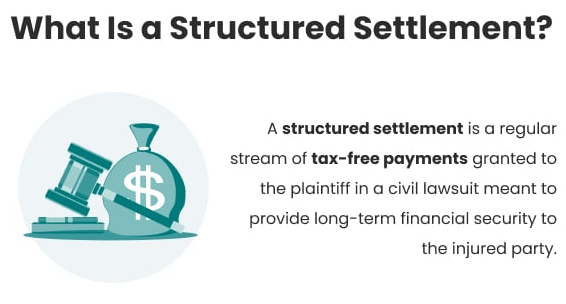
Structured Settlement Payout: Understanding the Basics
Welcome, dear reader! Have you ever heard about structured settlement payouts? If not, don’t worry – we’re here to break it down for you in simple terms. Structured settlement payouts are a form of financial agreement where a series of payments are made to an individual as compensation for a legal claim or settlement. These payments are often scheduled over a period of time rather than being paid in one lump sum. Let’s delve into the basics of structured settlement payouts and how they work.
What is a Structured Settlement Payout?
A structured settlement payout is a financial arrangement that involves receiving periodic payments over a period of time, rather than a lump sum payment. This type of settlement is often used in legal cases involving personal injury, medical malpractice, or wrongful death. Instead of receiving all the money at once, the recipient will receive regular payments spread out over months or years.
Structured settlement payouts are typically agreed upon through a negotiation process between the parties involved in the legal case. The insurance company or defendant may prefer to make payments over time to avoid a large one-time payout. This can also benefit the recipient by providing a steady income stream that can help cover ongoing medical expenses, lost wages, or other financial needs.
One of the key advantages of a structured settlement payout is the flexibility it offers in terms of payment schedule. Payments can be customized to suit the recipient’s specific financial situation and needs. For example, payments can be made monthly, quarterly, annually, or even on a specific date each year. This can help ensure that the recipient has a reliable source of income over an extended period of time.
Another benefit of structured settlement payouts is the tax advantage they offer. In many cases, the payments received are tax-free, as they are considered to be compensation for physical injuries or sickness. This can help the recipient maximize the value of their settlement and avoid the tax implications of receiving a large lump sum payment.
Structured settlement payouts can also provide peace of mind and financial security for the recipient. By receiving regular payments, the recipient can better plan for their future and ensure that their financial needs are met over the long term. This can be especially important for individuals who are unable to work due to their injuries and rely on the settlement for their livelihood.
In conclusion, a structured settlement payout is a financial arrangement that provides regular payments to the recipient over a period of time. This type of settlement can offer flexibility in payment schedules, tax advantages, and peace of mind for the recipient. It is often used in legal cases involving personal injury or wrongful death to ensure that the recipient receives fair compensation for their losses.
How does a Structured Settlement Payout Work?
Structured settlement is a financial arrangement where the defendant agrees to pay the plaintiff a certain amount of money over a period of time, rather than in one lump sum. This type of payout is often used in personal injury or insurance cases, where the plaintiff may have sustained long-term injuries or loss of income. So, how does a structured settlement payout actually work?
When a settlement is reached in a court case, the parties involved can agree to a structured settlement rather than a one-time payment. This agreement outlines the specific terms of the payout, including the amount to be paid, the frequency of payments, and the duration of the payout period. Once the details are finalized, the defendant typically purchases an annuity from an insurance company, which will fund the payments to the plaintiff.
One of the key benefits of a structured settlement payout is the tax advantages it offers. In most cases, the income generated from the annuity used for the payout is tax-free, providing the plaintiff with a steady stream of income without the burden of paying additional taxes. Additionally, the structured nature of the settlement ensures that the plaintiff will have a reliable source of funds over an extended period of time, which can be crucial for covering ongoing medical expenses or replacing lost income.
Another important aspect of how a structured settlement payout works is the ability to customize the terms to fit the individual needs of the plaintiff. For example, the parties can agree on a payment schedule that aligns with the plaintiff’s anticipated expenses, such as medical bills or mortgage payments. Additionally, the payout can be structured to provide for specific future needs, such as funding a child’s education or retirement savings.
Once the terms of the structured settlement payout are established, the defendant will transfer the funds to the insurance company, which will then begin making the scheduled payments to the plaintiff. These payments can be made on a monthly, quarterly, or annual basis, depending on the agreed-upon terms. Throughout the payout period, the plaintiff will receive regular payments to help cover their financial needs and ensure a stable income stream.
In conclusion, a structured settlement payout is a beneficial financial arrangement that provides a reliable source of income for plaintiffs in personal injury or insurance cases. By customizing the terms of the payout to fit the individual needs of the plaintiff, this type of settlement ensures that the recipient will have financial security over an extended period of time. With the tax advantages and flexibility it offers, structured settlement payout is a popular choice for many individuals seeking compensation for long-term damages.
Benefits of Choosing a Structured Settlement Payout
Structured settlement payouts offer a range of benefits for recipients. One major advantage is the financial security it provides for the long term. When you receive a lump sum settlement, there is a risk of spending it quickly and not having enough left for future expenses. With a structured settlement, you have a steady stream of income over a period of time, which can help cover ongoing costs like medical bills, housing, and other necessities.
Another benefit of choosing a structured settlement payout is the tax advantages it offers. In many cases, the income you receive from a structured settlement is tax-free, meaning you get to keep more of your money. This can be especially beneficial if you are using the settlement payments to cover medical expenses or other high-cost items.
Structured settlements also provide a level of financial protection that lump sum payments do not. If you receive a lump sum settlement and then make poor financial decisions, like investing in risky ventures or spending too much too quickly, you may find yourself in financial trouble. With a structured settlement, you have a predetermined plan in place for how the money will be paid out, which can help prevent impulsive decisions that could leave you in a precarious financial situation.
Furthermore, structured settlements can also offer peace of mind for recipients. Knowing that you have a reliable source of income coming in regularly can alleviate stress and worry about how to cover expenses, especially if you are unable to work due to injuries sustained in an accident. This can provide a sense of stability and security that may be lacking with other forms of financial compensation.
In conclusion, choosing a structured settlement payout can provide a range of benefits for recipients, including financial security, tax advantages, financial protection, and peace of mind. If you have the option to choose between a lump sum payment and a structured settlement, carefully consider the advantages of the latter in providing long-term financial stability and peace of mind.
Factors to Consider Before Accepting a Structured Settlement Payout
When considering a structured settlement payout, there are several factors to take into account before making a decision. Here are some key considerations to keep in mind:
1. Financial Stability: One of the most important factors to consider before accepting a structured settlement payout is your own financial stability. Take a close look at your current financial situation and determine whether you will need a lump sum of cash immediately or if you can afford to wait for periodic payments. It is crucial to assess your financial needs and goals to ensure that the structured settlement payout meets your requirements.
2. Tax Implications: Another crucial factor to consider is the tax implications of the structured settlement payout. Generally, structured settlement payments are non-taxable, but it is still important to consult with a tax professional to understand the specific tax laws and regulations that may apply to your situation. By being aware of the tax implications, you can effectively plan for any potential tax liabilities that may arise.
3. Future Needs: It is essential to consider your future needs when deciding whether to accept a structured settlement payout. Think about any upcoming expenses or financial goals that you may have in the future and determine if the structured settlement payments will be able to cover these needs. If you anticipate needing a lump sum of cash for a future expense, you may want to explore other options or negotiate for a larger upfront payment.
4. Inflation and Cost of Living: One factor that is often overlooked when considering a structured settlement payout is the impact of inflation and the cost of living. While the fixed payments may seem adequate now, it is important to consider how inflation may erode the value of these payments over time. As the cost of living increases, the purchasing power of the structured settlement payments may decrease. To mitigate this risk, you may want to negotiate for cost-of-living adjustments or explore other investment options to ensure that your financial needs are met in the future.
By taking these factors into consideration before accepting a structured settlement payout, you can make an informed decision that aligns with your financial goals and needs. It is important to carefully assess your financial situation, understand the tax implications, plan for future needs, and consider the impact of inflation and the cost of living to ensure that the structured settlement payout meets your long-term financial requirements.
Important Information to Know about Structured Settlement Payout Taxes
Structured settlement payouts can be a great way to receive a steady stream of income over time, especially if you have been awarded a settlement due to a personal injury claim or lawsuit. However, it is important to understand that the money you receive from a structured settlement may be subject to taxes. Here are some key things you should know about structured settlement payout taxes:
1. Tax-Free Nature: In general, the payments you receive from a structured settlement are not taxable at the federal level. This means that you do not have to report these payments as income on your federal tax return, as long as the payments are for personal physical injuries or physical sickness.
2. Exceptions: There are certain situations where the payments from a structured settlement may be subject to taxes. For example, if you receive payments for emotional distress or mental anguish that is not related to a physical injury, those payments may be taxable. Additionally, if you sell your structured settlement payments to a third party for a lump sum of cash, the lump sum payment may be taxable.
3. State Taxes: While structured settlement payments are typically not taxed at the federal level, it is important to check with your state’s tax laws to see if they are taxable at the state level. Some states may consider structured settlement payments as taxable income, so it is crucial to understand your state’s tax regulations.
4. Interest Income: If your structured settlement includes any interest income, that portion of the payment may be taxable. The interest portion of your payments will be taxable at the same rate as your other income, so it is important to keep track of any interest you earn from your structured settlement.
5. Effect on Government Benefits: It is essential to be aware that structured settlement payouts could potentially impact your eligibility for government benefits. Depending on the amount of the settlement payments, your eligibility for programs such as Medicaid or Supplemental Security Income (SSI) could be affected. It is recommended to consult with a financial advisor or tax professional to understand the potential impact of structured settlement payouts on your government benefits.